
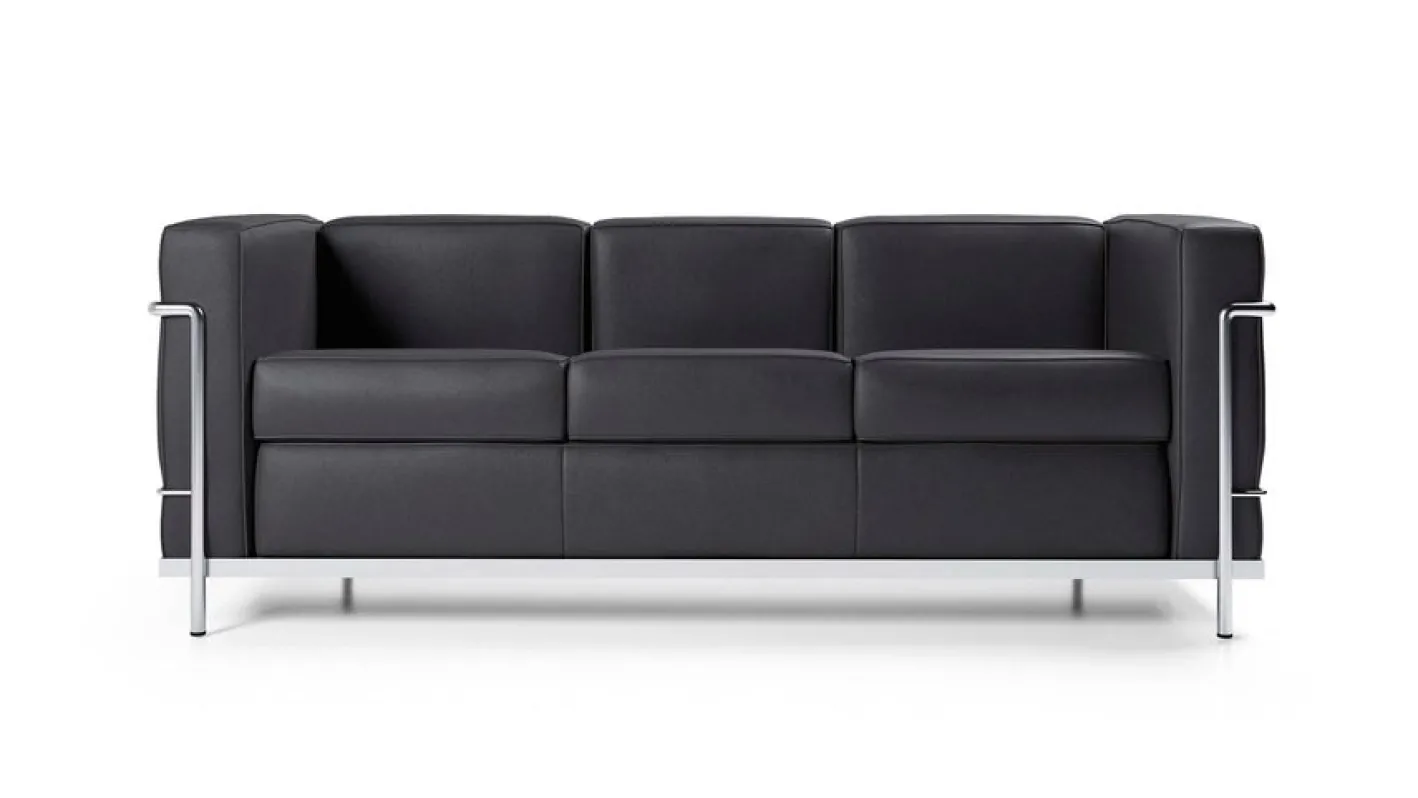
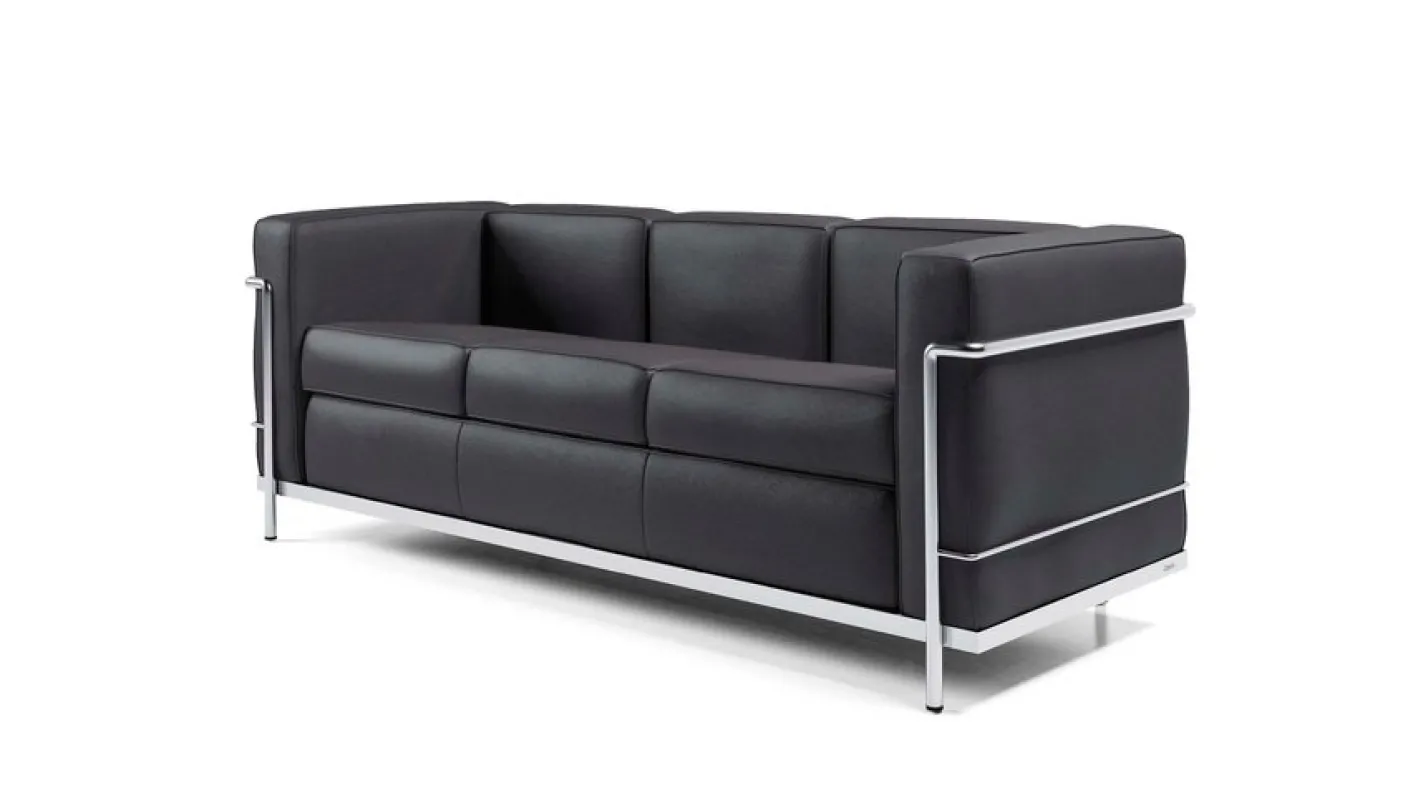
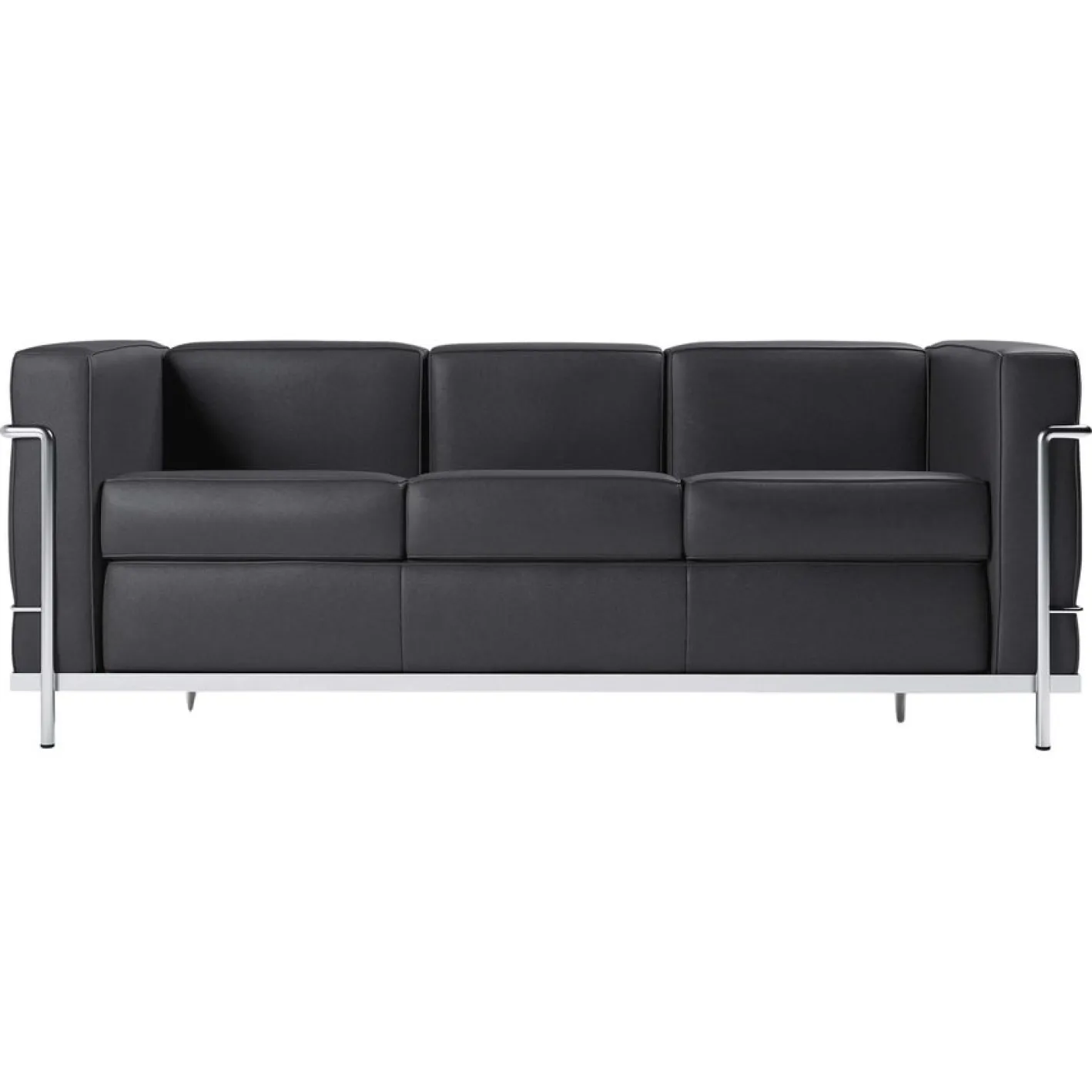
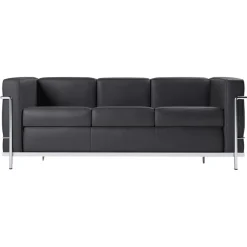
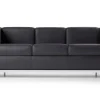
Sofa von Le Corbusier
€107.49
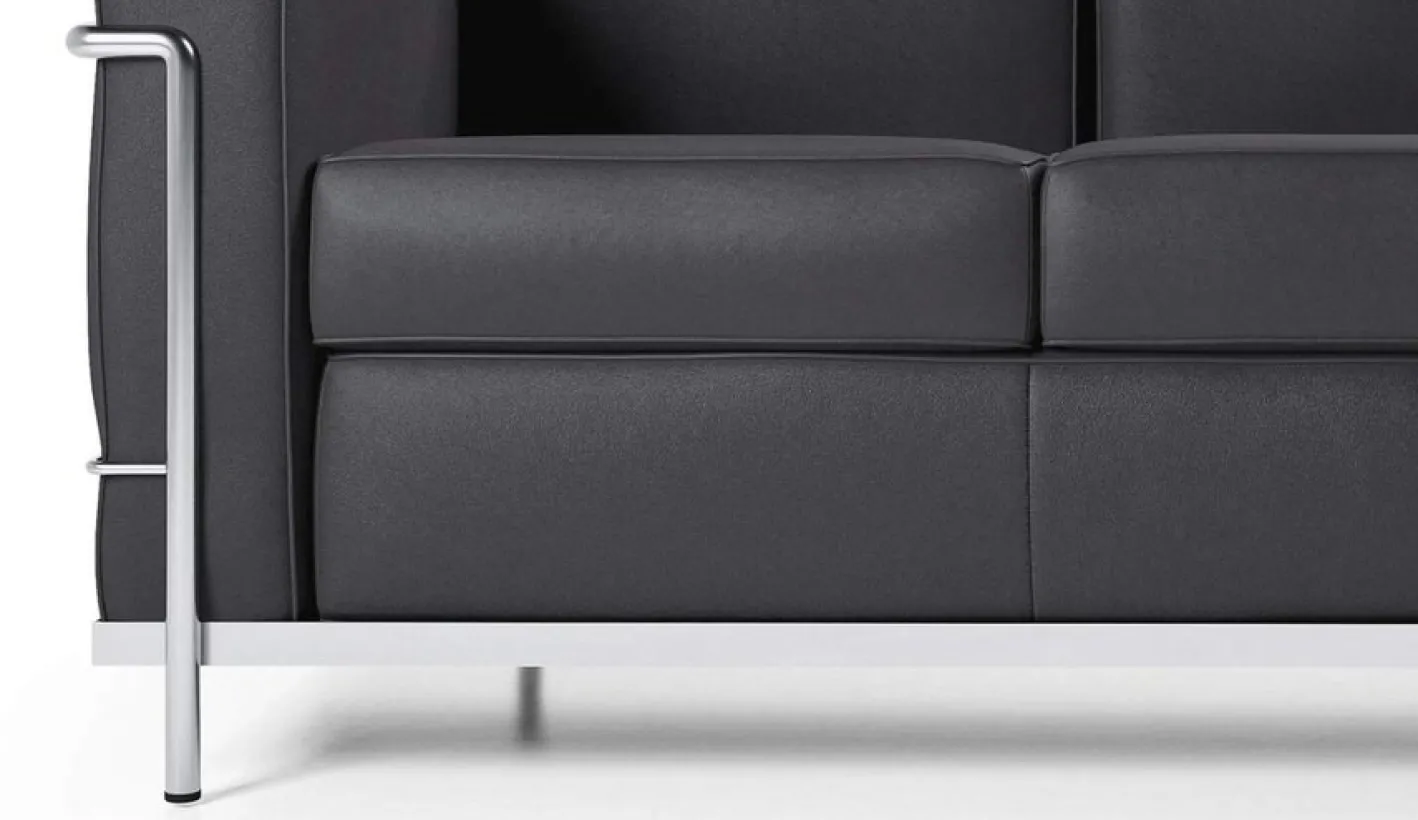
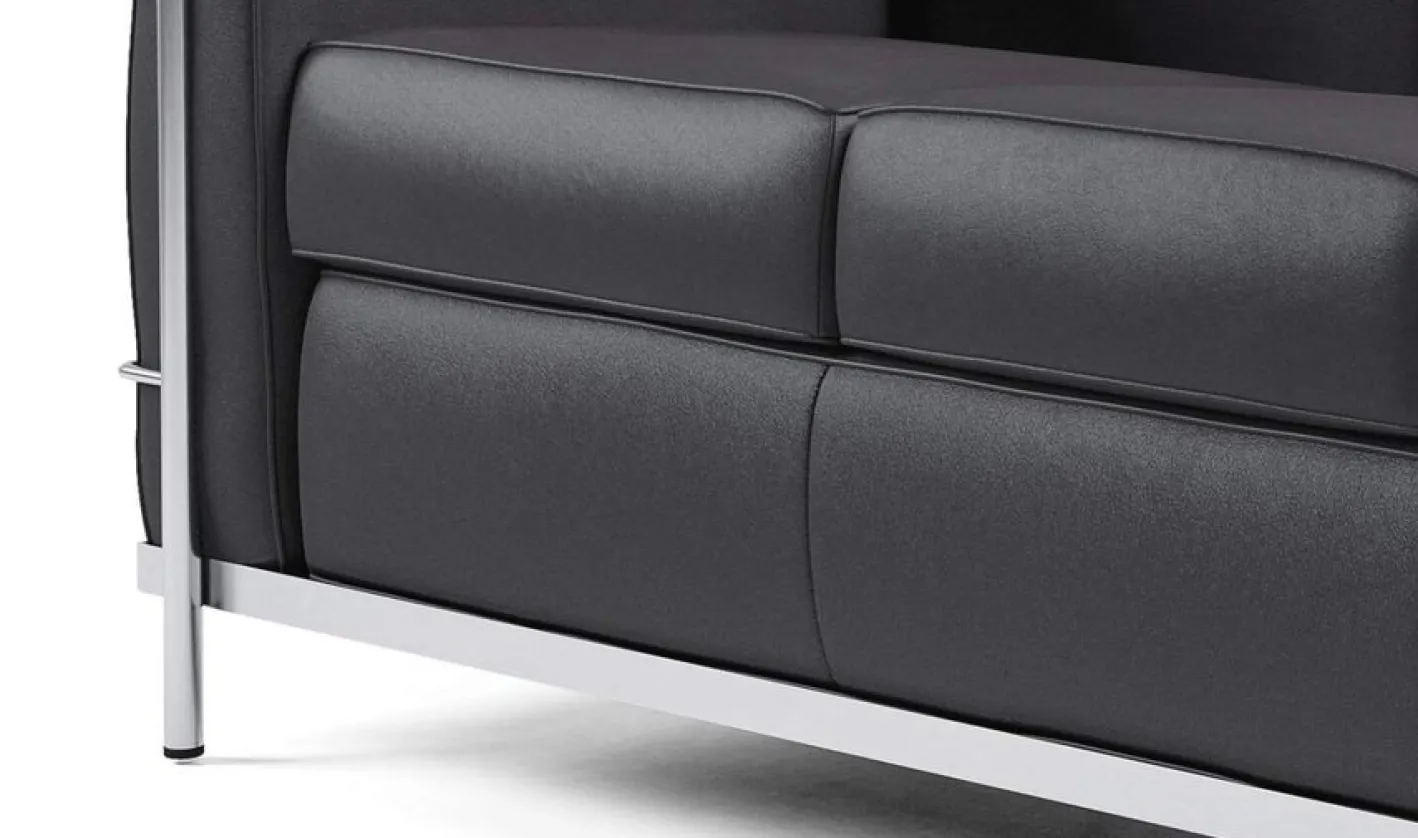
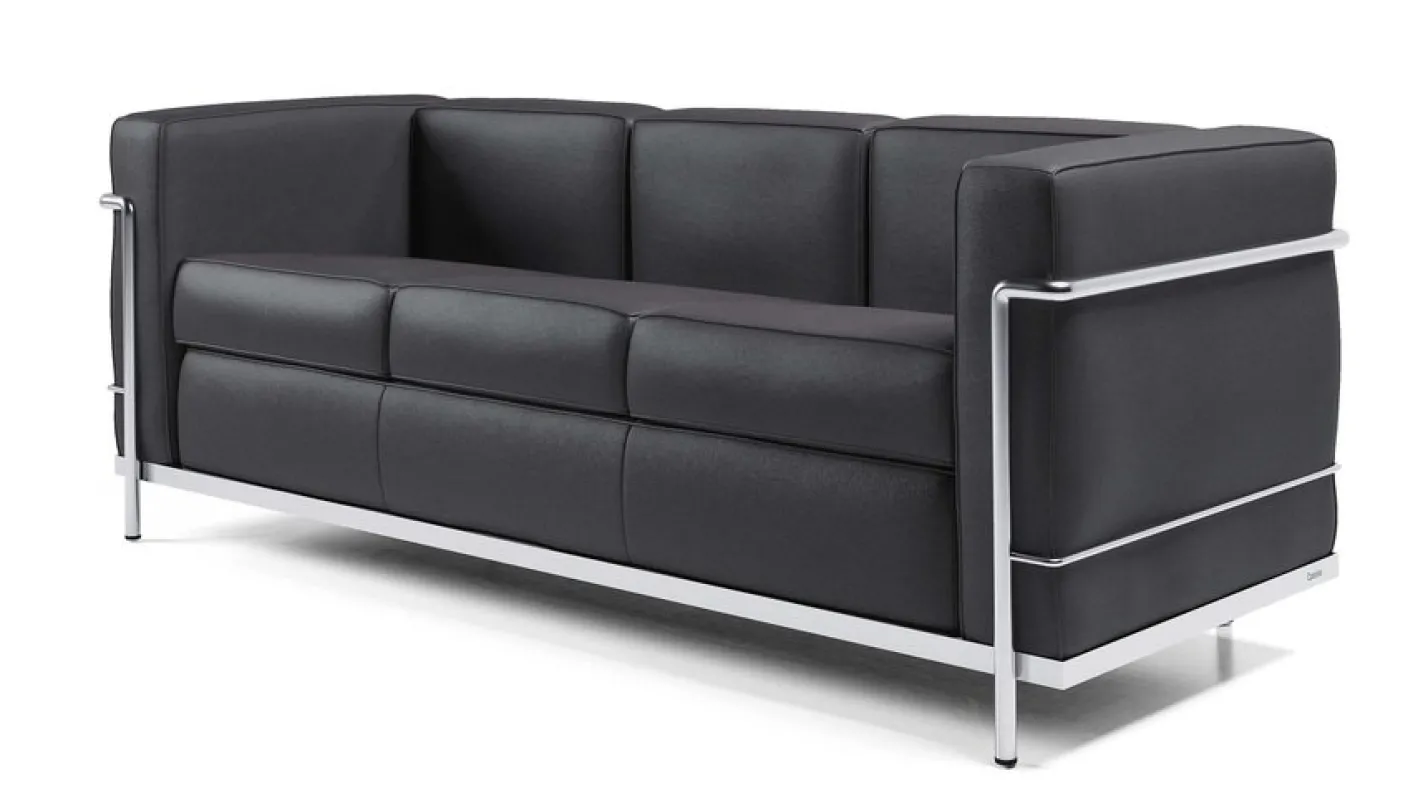
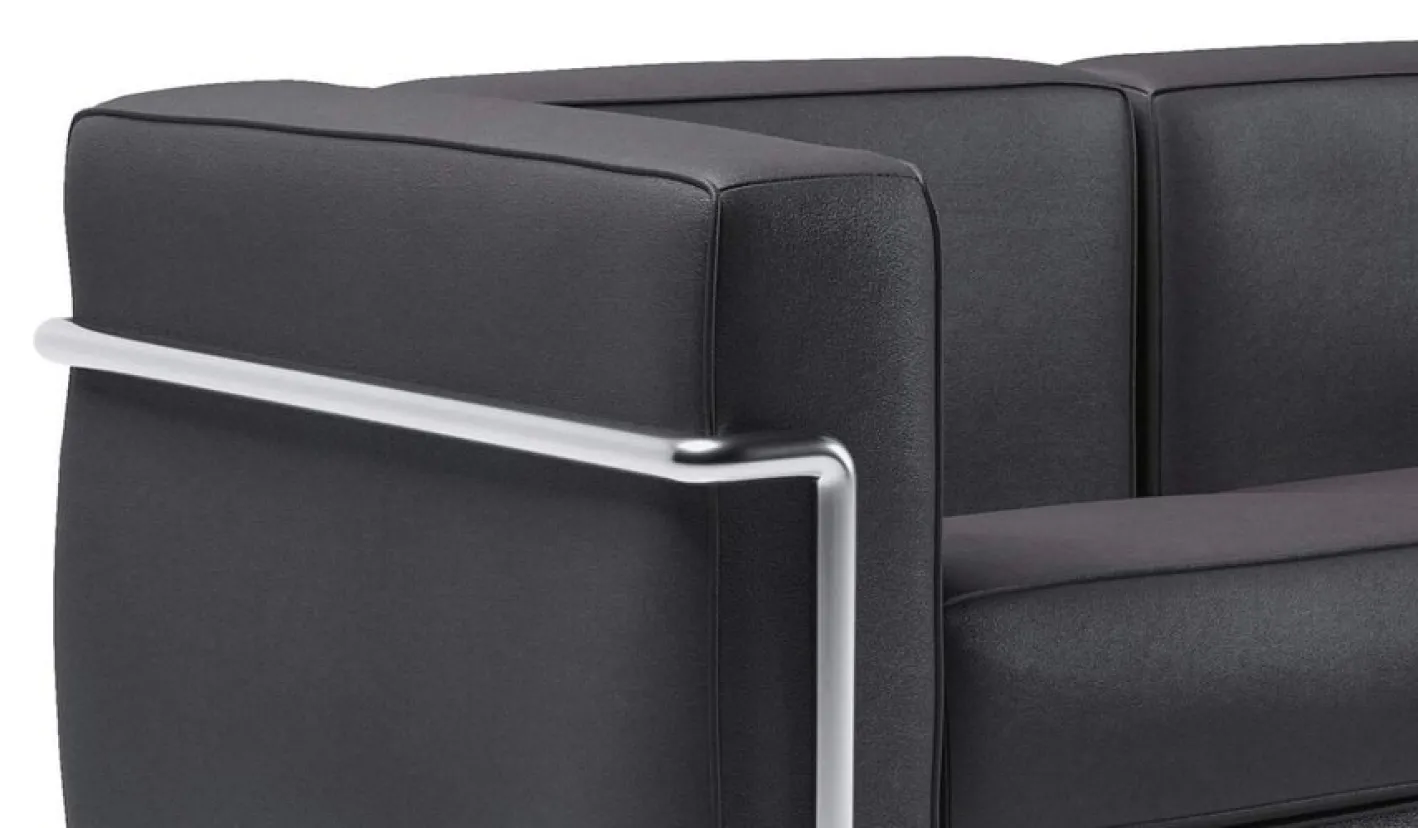
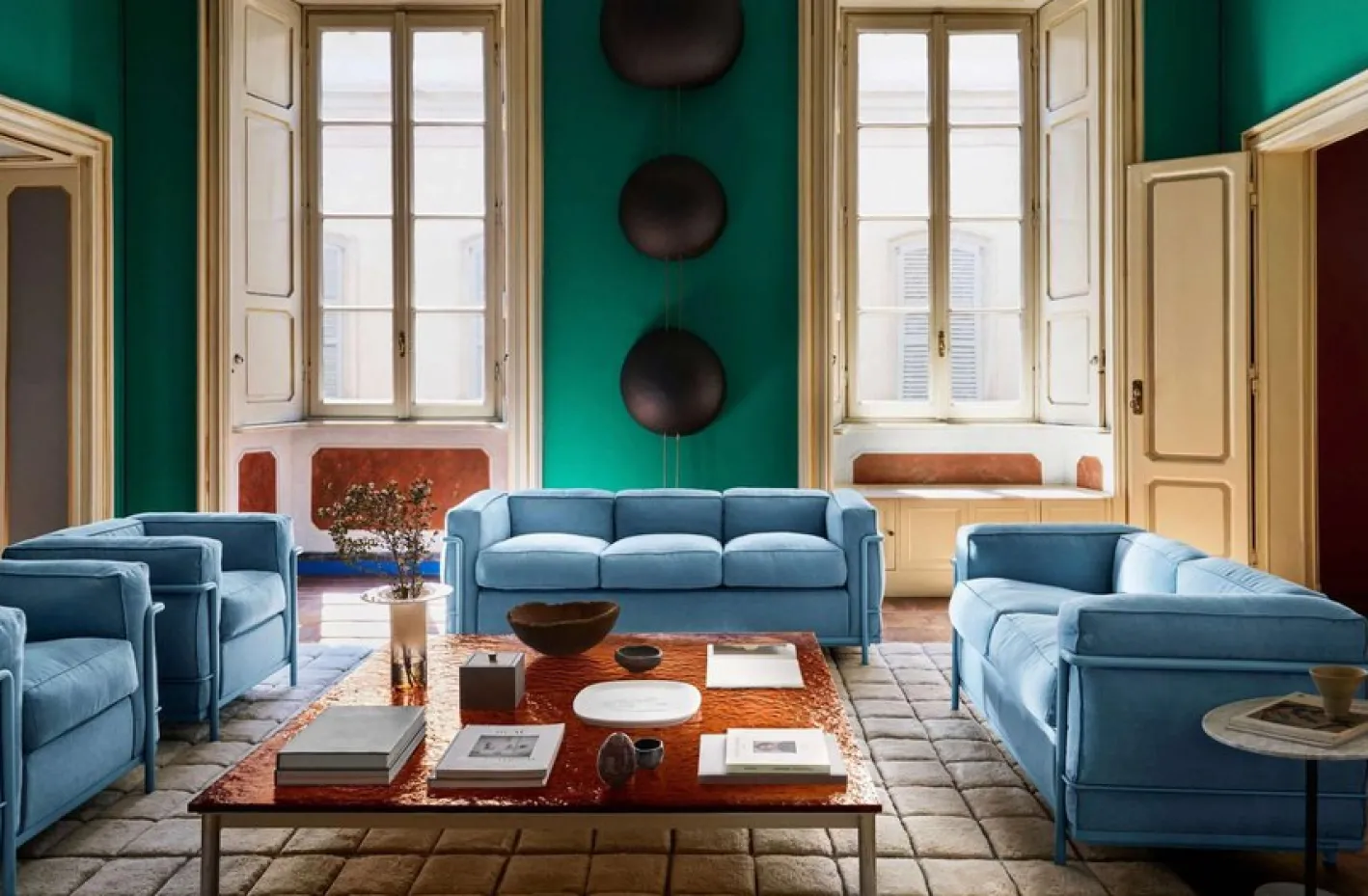
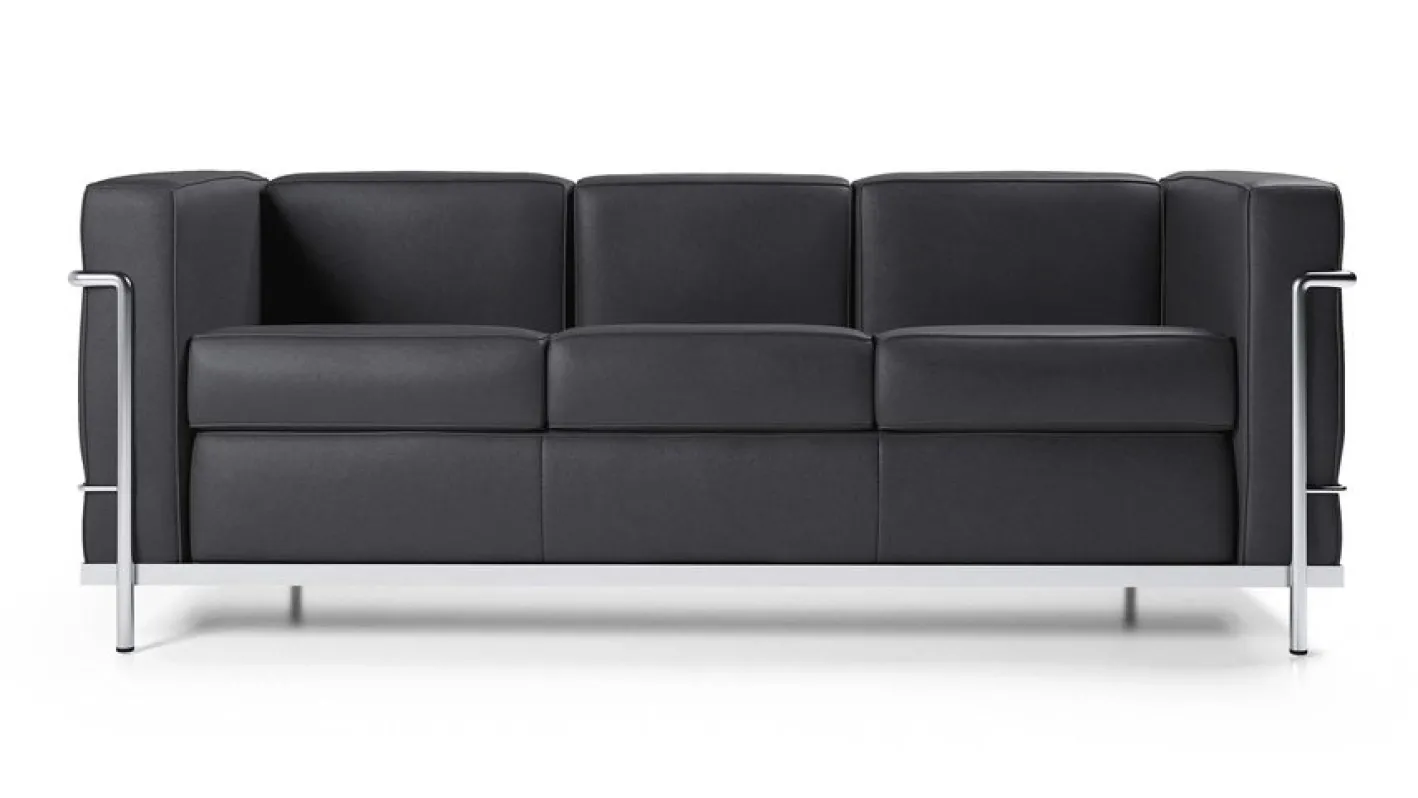
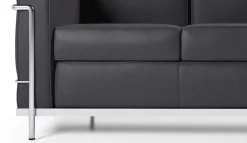
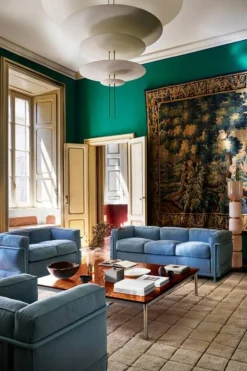
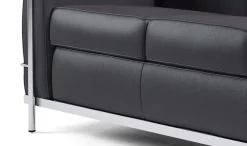
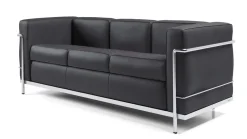
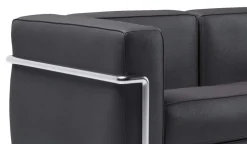
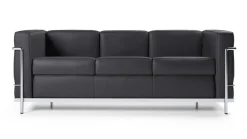
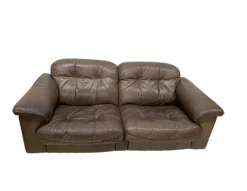
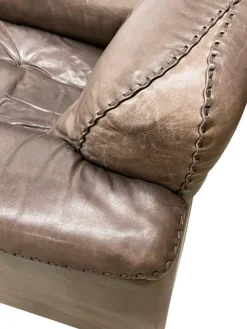
Le Corbusier 2 Fauteuil Grand Confort Petit Modèle Trois Places Durable A timeless style that has written its own chapter in design history, becoming an icon of global fame. Perfect today in any residential or contract setting. The separation between the metal structure and the cushions is consistent with the principles of Rationalism, just as the separation between the parts is based on an industrial approach to production, reminiscent of the architectural relationship between the loadbearing structure and the in-fill elements. STRUCTURE Frame in tubular steel, polished chrome or painted. CUSHION PADDING In blown recycled polyester fibre. UPHOLSTERY Fabric or leather A timeless style that has written its own chapter in design history, becoming an icon of global fame. Designed for ease of conversation, the armchair was exhibited at the Salon d’Automne [Autumn Salon] in Paris in 1929 as the archetype of the modern concept of furnishings, interpreted by its authors as “household equipment”. The separation between the metal structure and the cushions is consistent with the principles of Rationalism, just as the separation between the parts is based on an industrial approach to production, reminiscent of the architectural relationship between the loadbearing structure and the in-fill elements. These models are available with a conscious approach to the environment. Thanks to the work carried out by Cassina LAB, born from the collaboration with POLI.design at the Milan Polytechnic, the foam-fill parts, the padding in the cushions and the tubular structure are produced with circular materials and processes. A timeless style that has written its own chapter in design history, becoming an icon of global fame. Designed for ease of conversation, the armchair was exhibited at the Salon d’Automne [Autumn Salon] in Paris in 1929 as the archetype of the modern concept of furnishings, interpreted by its authors as “household equipment”. The separation between the metal structure and the cushions is consistent with the principles of Rationalism, just as the separation between the parts is based on an industrial approach to production, reminiscent of the architectural relationship between the loadbearing structure and the in-fill elements. These models are available with a conscious approach to the environment. Thanks to the work carried out by Cassina LAB, born from the collaboration with POLI.design at the Milan Polytechnic, the foam-fill parts, the padding in the cushions and the tubular structure are produced with circular materials and processes.
Le Corbusier 2 Fauteuil Grand Confort Petit Modèle Trois Places Durable Ein zeitloser Stil, der ein eigenes Kapitel in der Designgeschichte geschrieben hat und zu einer weltweit bekannten Ikone geworden ist. Auch heute noch perfekt für jede Wohn- oder Objektumgebung geeignet. Die Trennung zwischen der Metallstruktur und den Kissen entspricht den Prinzipien des Rationalismus, ebenso wie die Trennung der Teile auf einem industriellen Produktionsansatz basiert, der an die architektonische Beziehung zwischen der tragenden Struktur und den Füllelementen erinnert. STRUKTUR Gestell aus Stahlrohr, poliertem Chrom oder lackiert. KISSENFÜLLUNG Aus geblasener recycelter Polyesterfaser. BEZUG Stoff oder Leder Ein zeitloser Stil, der ein eigenes Kapitel in der Designgeschichte geschrieben hat und zu einer weltweit bekannten Ikone geworden ist. Der Sessel, der für ungezwungene Gespräche konzipiert wurde, wurde 1929 auf dem Salon d’Automne in Paris als Urbild des modernen Einrichtungskonzepts ausgestellt, das von seinen Schöpfern als „Haushaltsausstattung“ interpretiert wurde. Die Trennung zwischen der Metallstruktur und den Kissen entspricht den Prinzipien des Rationalismus, ebenso wie die Trennung der Teile auf einem industriellen Produktionsansatz basiert, der an das architektonische Verhältnis zwischen tragender Struktur und Füllelementen erinnert. Diese Modelle sind mit einem umweltbewussten Ansatz erhältlich. Dank der Arbeit von Cassina LAB, entstanden aus der Zusammenarbeit mit POLI.design am Polytechnikum Mailand, werden die Schaumstoffteile, die Polsterung der Kissen und die Rohrkonstruktion mit zirkulären Materialien und Verfahren hergestellt. Ein zeitloser Stil, der ein eigenes Kapitel in der Designgeschichte geschrieben hat und zu einer weltweit bekannten Ikone wurde. Der Sessel, der für ungezwungene Gespräche konzipiert wurde, wurde 1929 auf dem Salon d’Automne in Paris als Urbild des modernen Einrichtungskonzepts ausgestellt, das von seinen Schöpfern als „Haushaltsausstattung“ interpretiert wurde. Die Trennung zwischen der Metallstruktur und den Kissen entspricht den Prinzipien des Rationalismus, ebenso wie die Trennung der Teile auf einem industriellen Produktionsansatz basiert, der an das architektonische Verhältnis zwischen tragender Struktur und Füllelementen erinnert. Diese Modelle sind mit einem umweltbewussten Ansatz erhältlich. Dank der Arbeit von Cassina LAB, entstanden aus der Zusammenarbeit mit POLI.design am Polytechnikum Mailand, werden die Schaumstoffteile, die Polsterung der Kissen und die Rohrkonstruktion mit zirkulären Materialien und Verfahren hergestellt.
Klicken Sie hier für die vollständige BeschreibungSchließen
| Kreateur | Le Corbusier |
|---|---|
| Hersteller | Cassina |
| Produktionszeitraum | Vor 2010 |
| Hergestellt in | Italien |
| Kennzeichnung vorhanden | Dieses Objekt wird dem oben genannten Designer/Hersteller zugeschrieben. Es hat keine Kennzeichnung |
| Stil | Vintage |
| Zustand | Neu — Hierbei handelt es sich um einen (ungebrauchten) Contemporary Design Artikel. |
| Artikelnummer | WM-2508949 |
| Zusätzliche Informationen | Made to Order |
| Material | Leder |
| Farbe | Schwarz |
| Breite | 237 cm 237 cm |
| Tiefe | 73 cm 73 cm |
| Höhe | 62 cm 62 cm |
Be the first to review “Sofa von Le Corbusier”
Related products
Kinderstühle
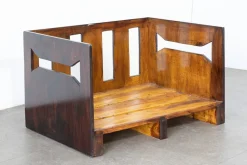
Kinderstühle
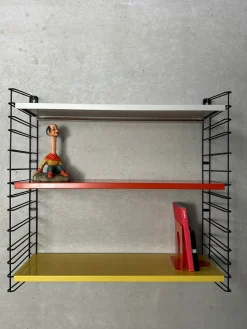
Aufbewahrung
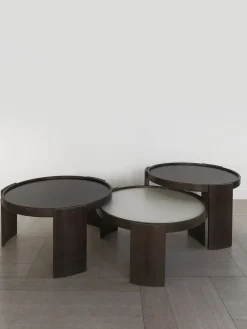
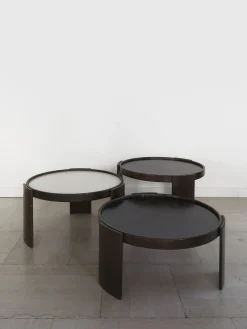
Couchtische & Beistelltische
Italienische Modell 780 Satztische von Gianfranco Frattini für Cassina, 1960er, 3er Set
Esstische
Contemporary
Aufbewahrung
Reviews
There are no reviews yet.